

A selected list of current research projects include:

EPIK

Total knee replacement is an effective treatment for patients with end stage osteoarthritis of the knee, but a significant proportion of patients will be challenged with pain during their recovery. The Early Pain Intervention after Knee replacement trial will identify patients having difficulties with their early recovery (3 months) through the AOA National Joint Replacement Registry, assess those patients’ needs, and offer a tailored multidisciplinary program to address issues with their recovery. The trial has been funded for approx.. $4m by the NHMRC, MRFF, and Ramsay Hospital Research Foundation.


ROAD

Opioid usage and dependence is a common problem after injury and orthopaedic surgery. The Reducing Opioids After Discharge trial will test the effectiveness of an opioid vs. no opioid analgesia regime, in patients after routine fracture fixation, using a placebo controlled superiority randomised trial design.

ACTIVE

The Articular Pilon Fracture Trial (ACTIVE) is a multi-centre, international randomised controlled trial comparing two surgical techniques- internal locking plate fixation and external frame fixation to treat closed pilon fractures of the tibia. ACTIVE will investigate the clinical and cost-effectiveness of internal plate fixation versus external fine wire fixation for the management of Type C closed pilon fractures of the distal tibia.

Individual patient data meta-analysis of treatment options for distal radius fracture

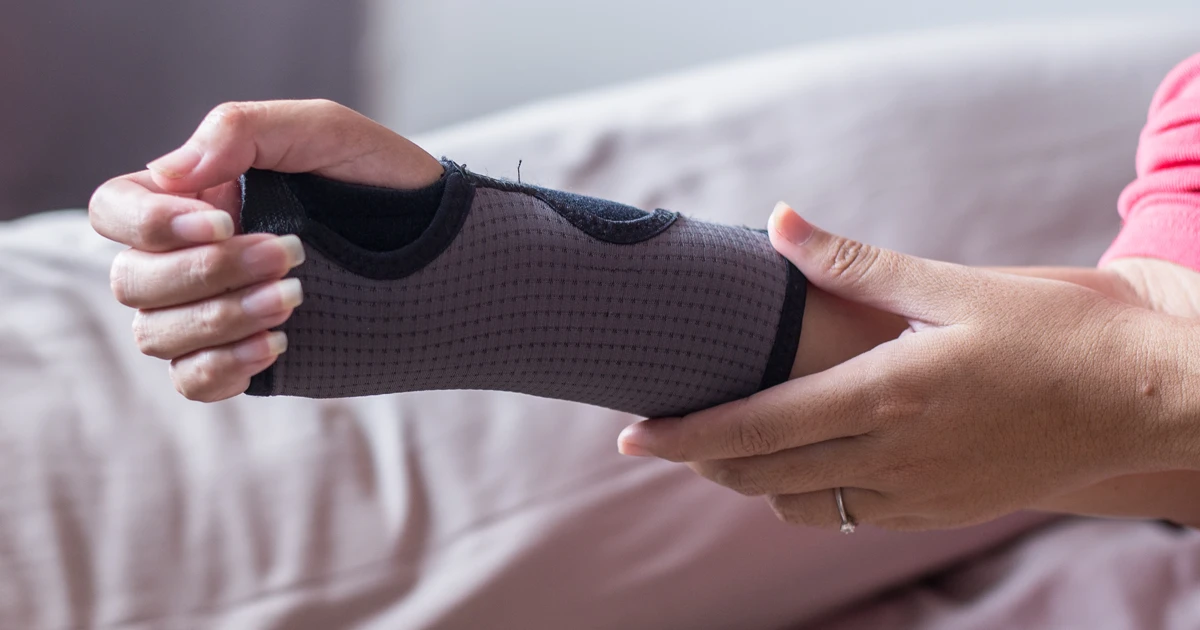
Distal radius fractures are amongst the most common fractures. Hand and wrist fractures represented 1.5% of all emergency department presentations, with near half of these being due to distal radius fractures. This type of fracture occurs at the lower end of the forearm, near the wrist. The project aims to compare the effectiveness and safety of operative (surgical) and non-operative treatment options for adults who have sustained a distal radius fracture.

DISTINCT trial

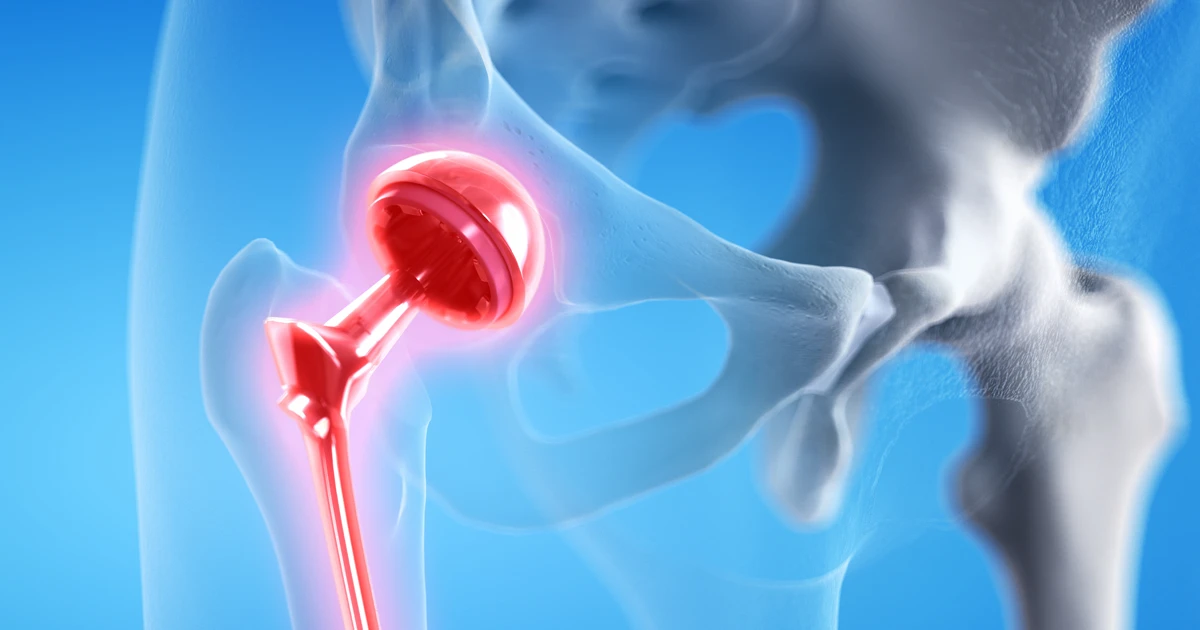
The DISTINCT Trial will be comparing dual mobility total hip arthroplasty (THA) with conventional THA for the treatment of femoral neck fractures in a real-world, usual care setting. Using a cluster randomised crossover design, each intervention will be implemented as standard practice across participating sites, enhancing generalisability. The trial is nested within the Australian Orthopaedic Association National Joint Replacement Registry (AOANJRR), leveraging its comprehensive, routinely collected national data on all arthroplasty procedures in Australia.

Uncemented total knee replacement (Smith and Nephew study)

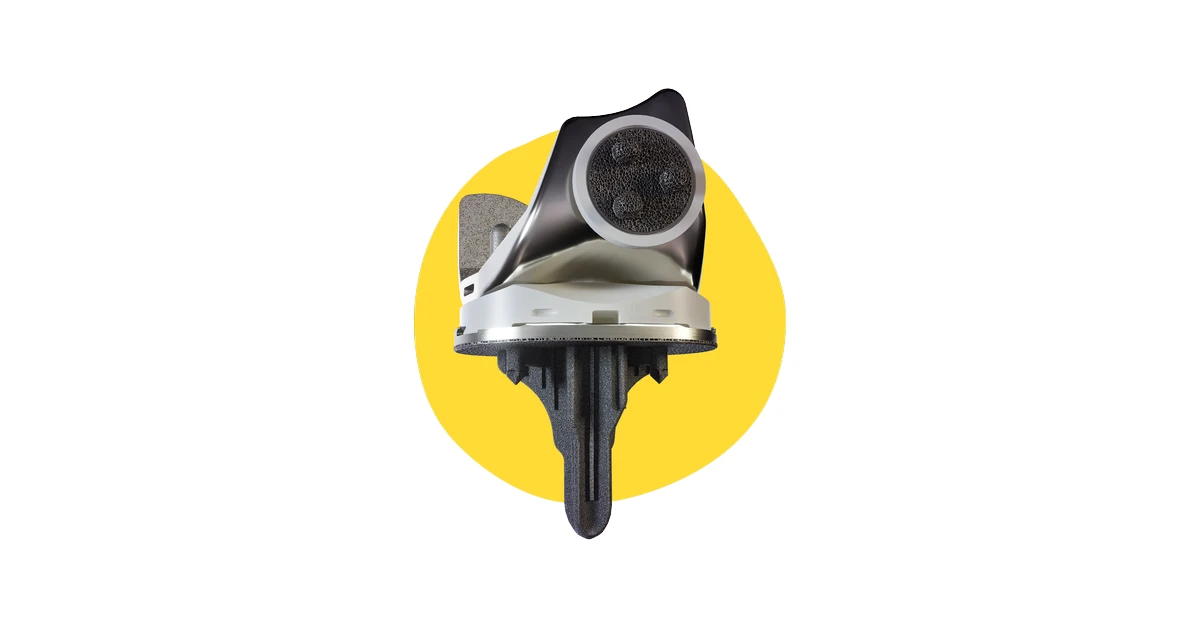
There is currently limited clinical evidence suggesting that cementless TKA using modern implants performs at least as well as cemented TKA with respect to functional outcomes and survivorship, and potentially has advantages in high demand patients such as younger, or overweight patients. The study assess safety and performance of S+N Porous TKA System and generate clinical evidence to support and maintain product registration in global markets.

Page 1 / 2   Next Page >

© 2024– St George and Sutherland Centre for Clinical Orthopaedic Research (SCORe) | Privacy Policy | Disclaimer | Website by: WebInjection